
Articles by Steve Peet
Articles by Steve Peet
-
The Benefits of Solid Wood Furniture: Healthier, Stronger, and Built to Last
If you’re confused by what is solid wood and what isn’t, we’re not surprised. The meaning has been stretched so many ways some would have you believe any furniture that isn’t hollow is solid wood. However, the distinction matters. For so many reasons — beauty, longevity, value, the health of your family — real solid wood is the superior choice. -
That deep connection you feel for solid hard- wood furniture? It isn’t random.
That deep connection you feel for solid hardwood furniture? It isn’t random. You’re considering two dining tables. One is made of solid hardwood (our Ranch Table in walnut, for instance). The other is made of plywood or MDF covered with a glossy walnut veneer; pretty enough, but the vibe is noticeably less engaging than the Ranch Table and you’re not sure why. -
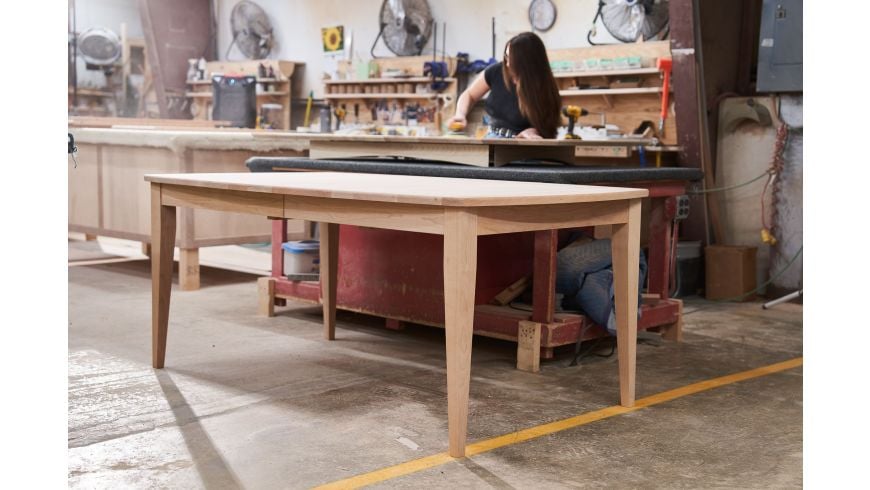
Custom Shop serves up dining tables made to order
Discover custom-made dining tables from our new Custom Shop. Choose from ten styles and tailor every detail to suit your space and taste, from material and finish to size and edges. Experience our AR tool to visualize your creation in your home. Craft your perfect dining table with us. -

How many lives will your Gat Creek furniture have?
Learn about the durability and restoration potential of solid wood pieces through the eyes of expert restorer John Mark Power. Explore the challenges of modern veneered furniture and the unmatched beauty and resilience of Appalachian hardwoods. This article delves into the art of furniture restoration, showcasing how quality materials and craftsmanship ensure your Gat Creek furniture can be transformed and cherished for generations. -
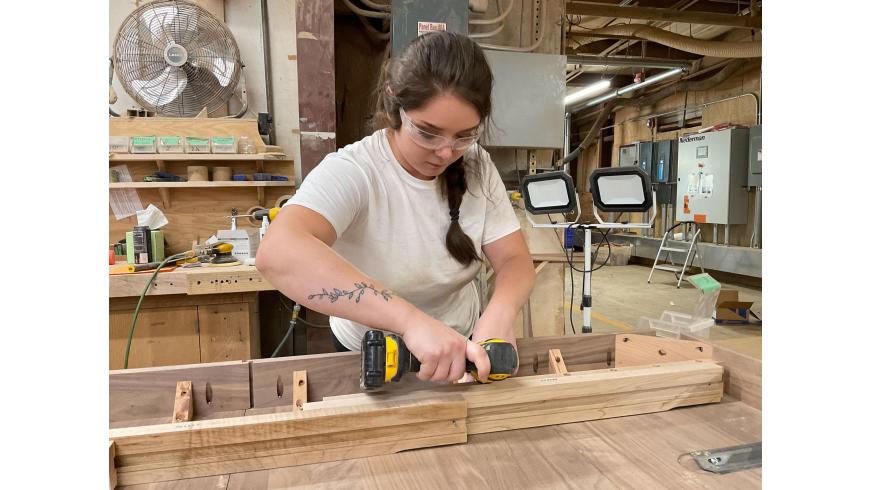
Let’s Hear It For American-Made Furniture
About 90% of the furniture sold in the U.S. is made overseas where lax working and environmental standards make for easier profits. Those economics mean few “experts” see furniture manufacturing ever coming back to America. Of course, if Gat Creek listened to the experts we wouldn’t be here. And we definitely wouldn’t have invested in an expansion that doubles our capacity to create more choices, faster delivery, and a bright future for our employees, our Appalachian Hardwood forests, and our town. -
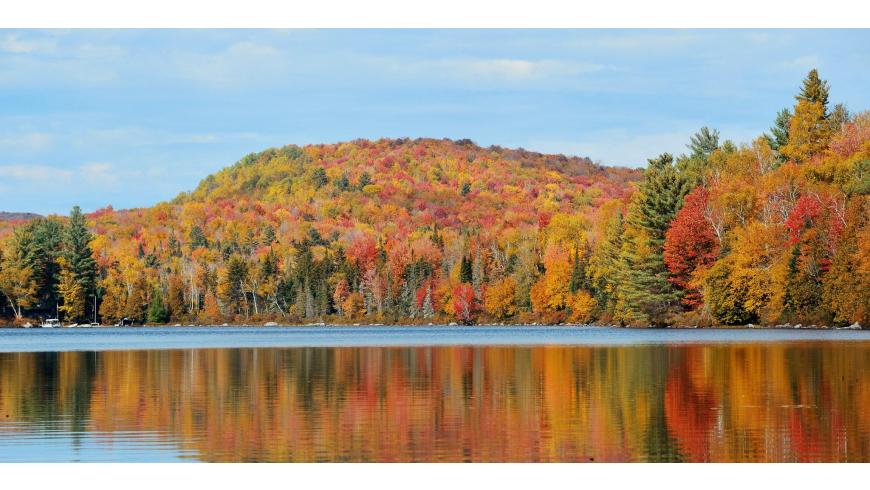
Appalachian Hardwoods: America's Sustainable Treasure
How fortunate we are to wake every morning in the middle of one of the world’s unique treasures. The Appalachian Hardwood forest, wellspring of the finest furniture making material in the world, covers 200,000 square miles of spectacular high country, from New York to Alabama. The story of this ecoregion spans epochs, enfolds massive geological events and, as it has for generations, touches the lives and livelihoods of friends and neighbors. Dive into the history of Appalachian Hardwoods and, like us, be amazed and grateful. -

The Hidden Price To Pay For Low-Cost Furniture
Founding father and renowned penny-pincher Ben knew what was up 250 years ago when he said: “The bitterness of poor quality remains long after the sweetness of low price is forgotten.” Interior designer Tiffany Cassidy updates that axiom for anyone buying furniture in the 21st Century like so: “The thing about fast furniture is you get what you get and you don’t get upset.” Caveat emptor — let the buyer beware — was coined for products exactly like fast furniture. There is a hidden price to pay for lower-cost flash, especially when we’re talking about items you live with, interact with and rely on every day. -
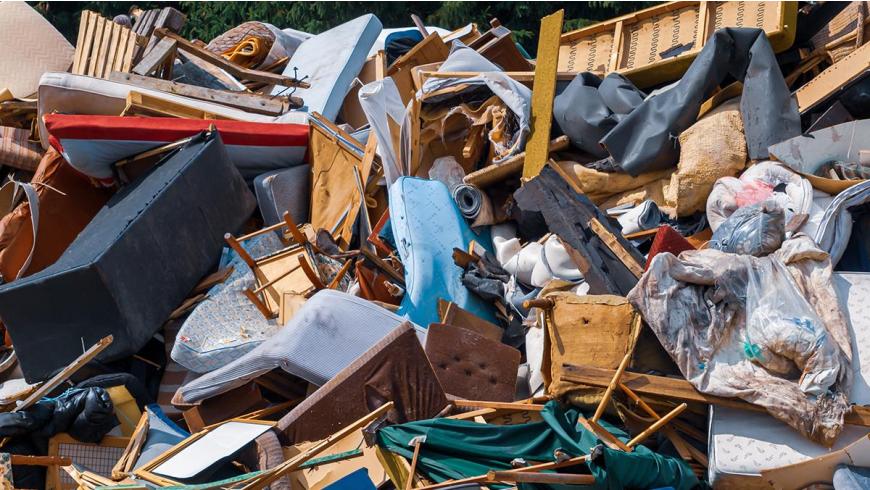
The Truth About Fast Furniture: Next stop, the dump
America is throwing away furniture at a disturbing clip. According to the Environmental Protection Agency, 12 million tons, 450% more per year than in 1960, now finds its way into landfills.
The problem accelerated with the arrival of Covid. That event seemed to trigger consumers’ willingness to make larger purchases online, leading to a rapid rise in “fast furniture” — relatively inexpensive, trendy, made from substandard materials and designed to catch your eye, last for a year or two and then fall apart so you must buy again. It has given a whole new meaning to “one nightstand.”
-
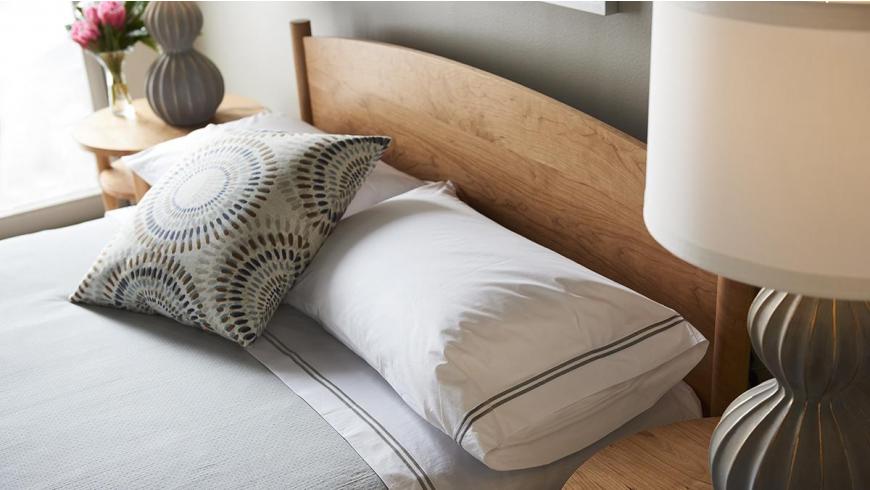
We’ve Never Made The Same Product Twice
Nature is not in the business of consistency. There are no Formica® forests. Every hardwood tree that grows in the Appalachian mountains develops its own graining and tone depending on elevation, severity of the winters, rainfall and competition for sunlight. Once that tree makes it to the lumberyard, it’s up to our buyers to determine if it is Gat Creek-worthy.
“There are specific standards for grading lumber,” said Gat Caperton. “The National Hardwood Lumber Association has spent a century making them as confusing and complicated as possible. While we consider the standards, what we rely on is the old-fashioned eye test. Does it look like it will make a pretty piece of furniture or not.”