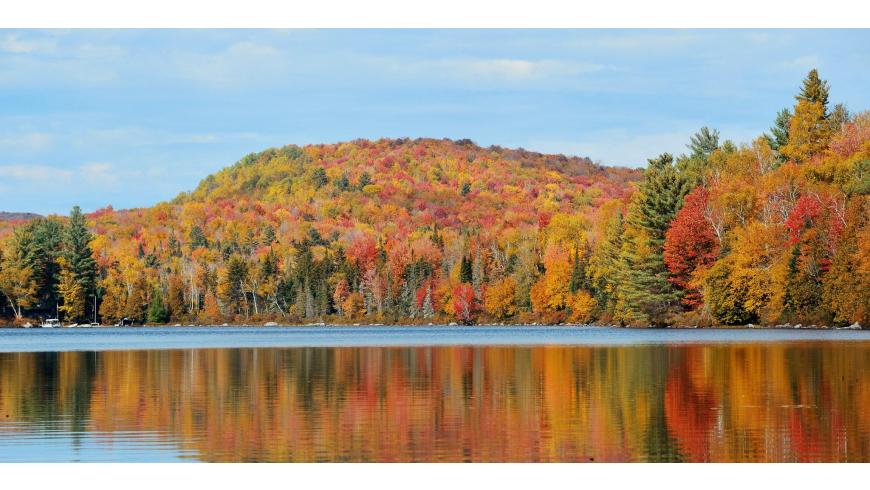

Biodiversity in Managed Forests
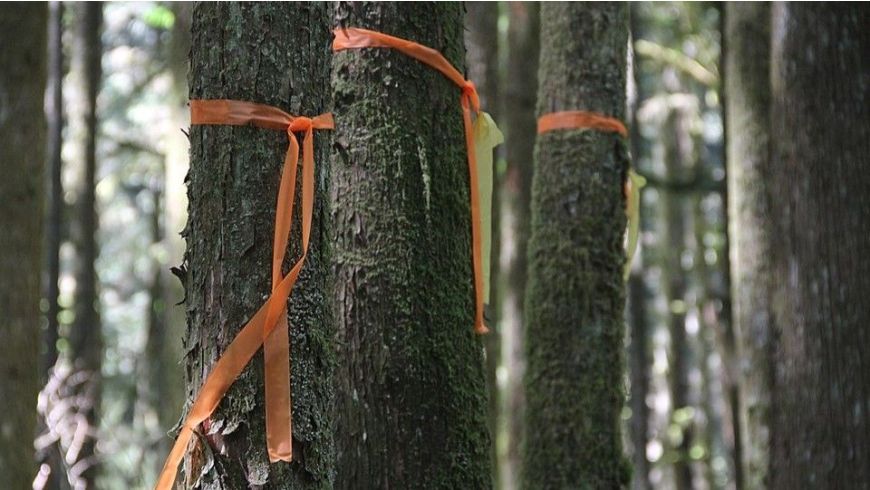
A Forest You Can Walk Through
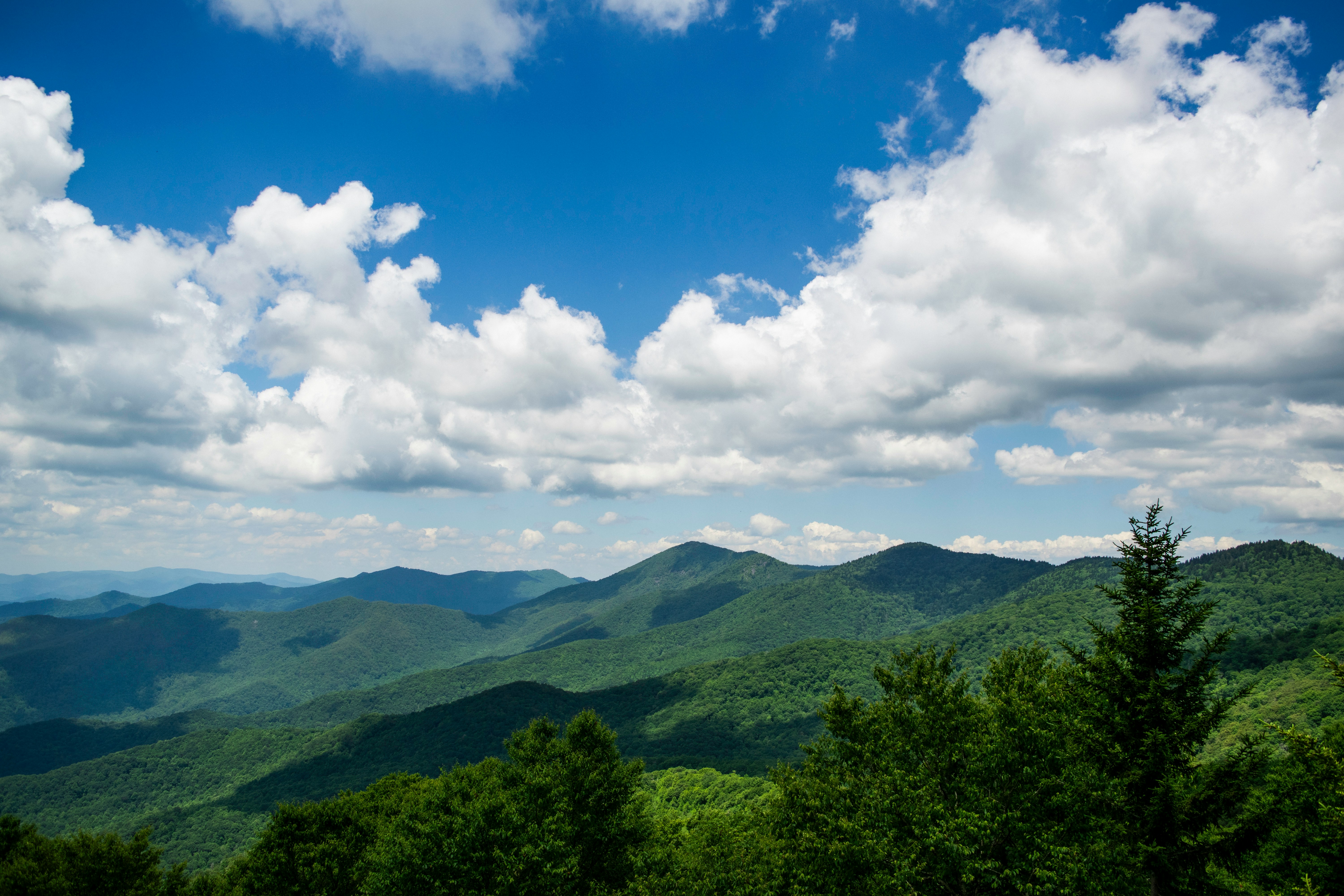
Imagine stepping onto a quiet trail in the Appalachian forest. Sunlight slips through leaves. A thrush sings. A tiny mushroom glows on a fallen log. That mix of life is called biodiversity. Managed forests can protect a healthy variety of living things when foresters work with natural processes instead of against them.
What a managed forest means
A managed forest is still a living forest. Foresters plan careful harvests so some trees are removed while most of the canopy remains creating an uneven-aged system. New trees get light and space. Animals keep shelter. The forest keeps working.
In practice
-
A few hardwood trees are harvested at a time.
-
The canopy mostly stays in place
-
The forest is checked and cared for over many years
Homes inside the forest
Wildlife needs many kinds of “homes,” also called structures. Layers of vegetation, a mix of tree sizes, standing dead trees, and down logs create many niches for these homes. Coarse woody debris is a good example; downed logs and snags support fungi, insects, amphibians, birds, nutrient cycling, and seedling establishment. Keeping some of these features during a harvest is called retention, more examples include:
-
Big live trees, also referred to as legacy trees, give food, shade, and sturdy branches
-
Safe standing dead trees offer nest holes for birds and bats
-
Logs on the ground hide salamanders, feed insects, and return nutrients to the soil
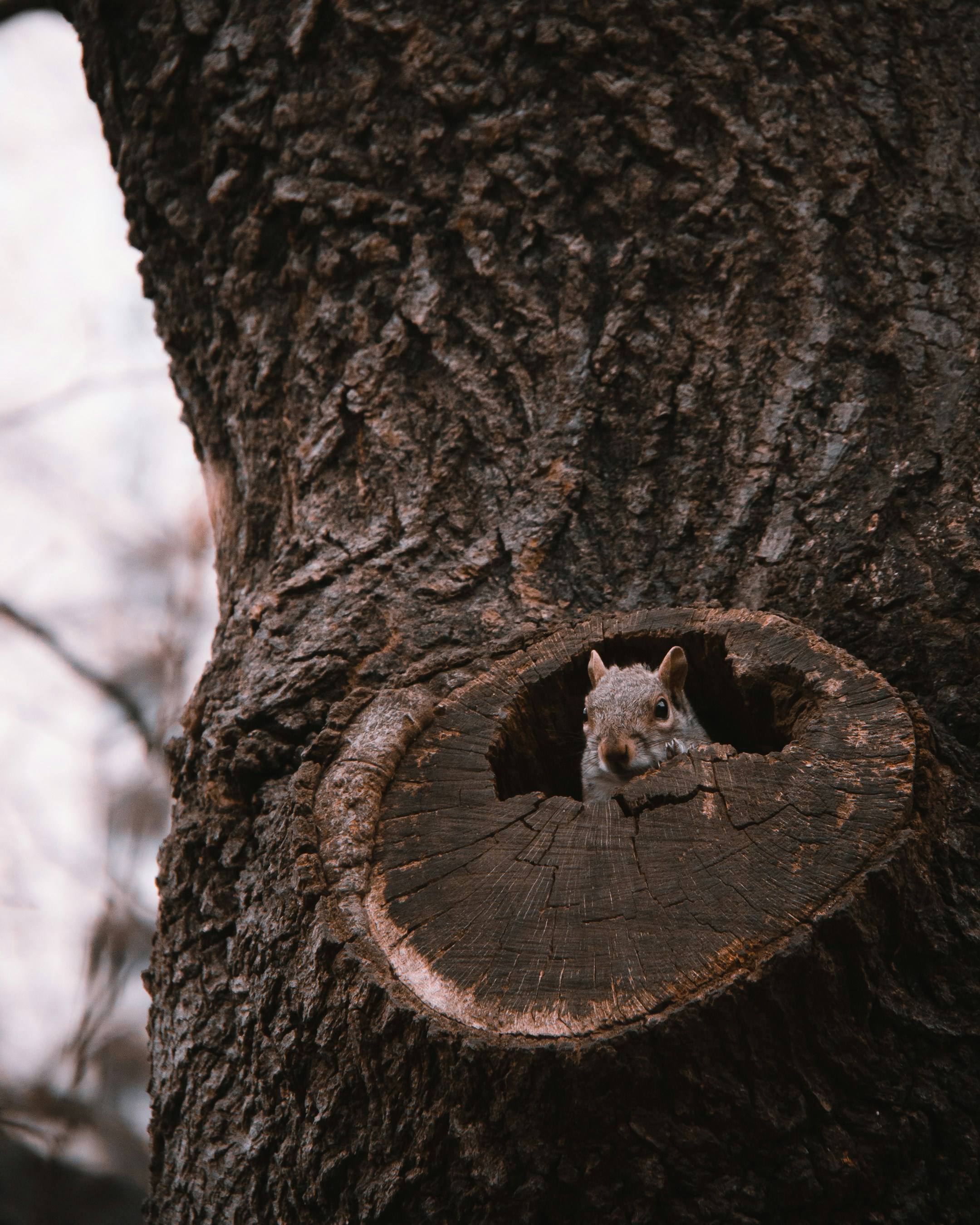
Studies show that retention supports many species of plants and animals by spreading these homes across the forest.
Sunlight for the next forest
Some young trees grow best with a little more light. Foresters create small group openings so light reaches the ground. A few old “legacy” trees are often left standing inside the opening to carry habitat forward. Research shows that these bright spots can help light-loving trees return and increase the mix of species over time.
Streams are part of the neighborhood
Clean water is a sign of a healthy forest. During logging, the main risk is mud washing into streams. That is why crews follow Best Management Practices, or BMPs.
BMPs focus on
-
Leaving tree and plant buffers along streams
-
Planning roads and trails with care
-
Building strong stream crossings that do not erode
When BMPs are used correctly, studies in the Appalachians show better water quality and healthier stream life.
The Appalachian Forest’s Health Check
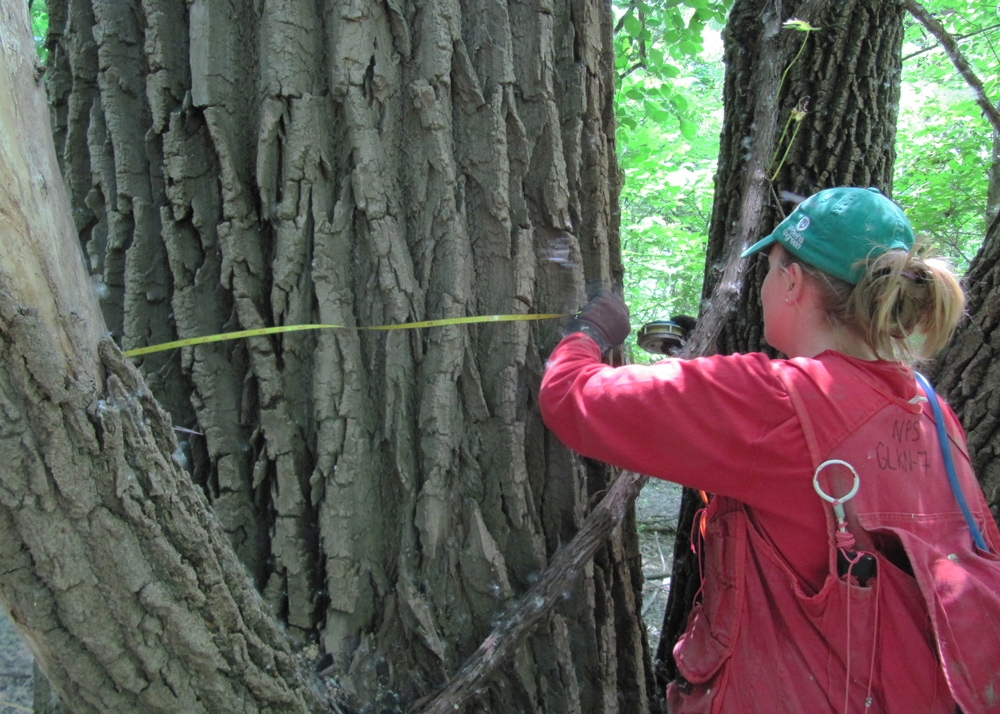
Scientists track how much wood the forest grows compared to how much is removed. In many Appalachian areas, growth has often been greater than removals. That balance supports long-term forest cover, which supports long-term habitat. Site-level choices still matter, so foresters monitor each stand and adjust plans.
Quick recap
-
A managed forest keeps living cover while people work
-
Retention purposefully leaves homes for wildlife
-
Small openings help the next forest rise
-
Stream rules protect water and everything that lives in it
For further reading, here are the sources and references we used while writing this article.
Uneven-aged Management and Appalachian Hardwood Research
- Schuler, 2014: Uneven-aged management after a half-century of research — Fernow Experimental Forest overview. US Forest Service.
- Schuler, 2017: Managing Appalachian hardwood stands using four practices — 60-year results. US Forest Service.
Retention Forestry and Habitat Structure
- Gustafsson et al., 2012: Retention forestry to maintain multifunctional forests — BioScience review PDF via USFS.
- Roberge et al., 2013: Retention forestry and biodiversity conservation — Nature Conservation open PDF via Semantic Scholar.
- USFS, 1996: Biodiversity and Coarse Woody Debris in Southern Forests — General Technical Report SE-94.
Group Selection and Legacy Trees
- Knapp et al., 2019: Yellow Birch Legacy-Tree Project — Group selection with legacy retention. US Forest Service.
- Knapp et al., 2021: Long-term group-selection experiment revisited — Site-dependent regeneration outcomes. US Forest Service.
Best Management Practices and Streams
- Phillips et al., 2000: Best Management Practices for Riparian Areas — BMP concepts and buffers. US Forest Service.
- NCASI, 2019: Forestry BMPs protect aquatic biodiversity in Central Appalachians — Evidence summary.
Regional Growth and Removals
- Oswalt & Turner, 2009: Status of hardwood forest resources in the Appalachian region — Resource Bulletin SRS-142. US Forest Service.